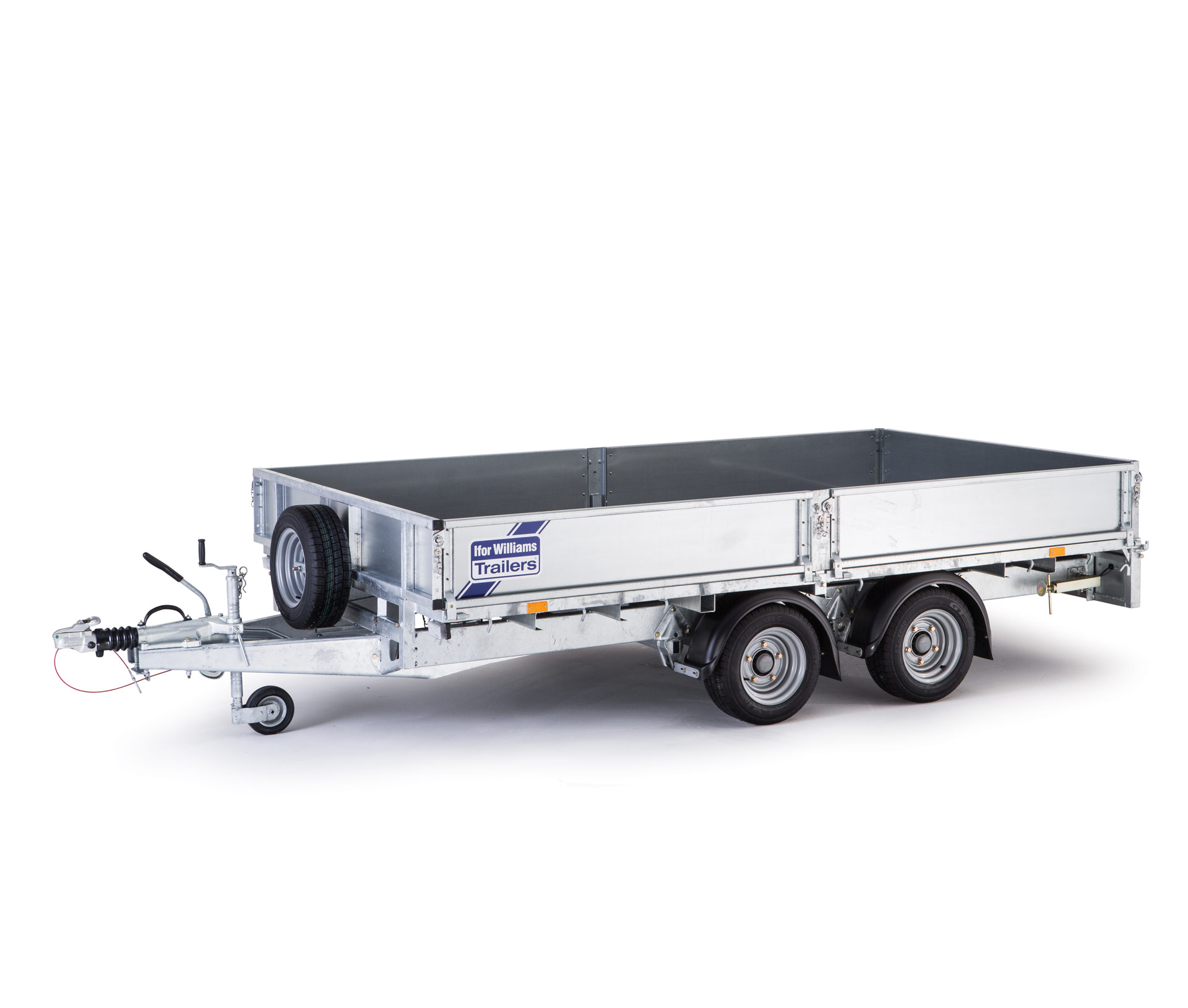
A flatbed trailer provides the blank canvas commercial operators need to move awkwardly shaped loads, heavy machinery, and palletised goods. This means navigating strict weight limits and choosing between different axle configurations to maximise payload safely.
Understanding flatbed trailer regulations and weight limits
UK law restricts standard overrun braked trailers to a maximum gross weight of 3500kg. If you tow with a commercial 4×4 or a heavy-duty pickup truck, this 3500kg cap dictates your maximum legal payload. You must subtract the unladen weight of the trailer from that 3500kg figure to find your actual load capacity. A lighter trailer allows you to carry more cargo legally.
Operators moving smaller loads might consider an unbraked setup. An unbraked trailer has a strict legal weight limit of 750kg. This limit includes both the trailer and the cargo. Unbraked models work well for light landscaping work or moving small materials, but commercial construction and agricultural tasks almost always require a fully braked 3500kg platform.
You must also check the gross train weight of your towing vehicle. The gross train weight is the absolute maximum weight of the fully loaded vehicle plus the fully loaded trailer. Even if your trailer is rated for 3500kg, your vehicle might have a lower gross train weight limit that restricts how much you can legally tow.
Essential components for commercial durability
A flatbed trailer requires high-quality running gear to survive daily commercial use. Leaf spring suspension offers durability and support for your load. The multi-leaf setup absorbs shocks on rough farm tracks and uneven construction sites, protecting both the trailer frame and the cargo.
When looking at the LT and LM flatbed ranges, buyers have choices regarding axle counts. Standard models come as a twin-axle configuration. Anything from 12 feet long has the option of a tri-axle setup. The largest models, like the LM20, come only as a tri-axle. A tri-axle configuration distributes the weight of heavy loads across six tyres, reducing ground pressure and improving stability at highway speeds.
Load securement systems and safety features for a flatbed trailer
Securing the load is a legal requirement and a major safety factor. A bare deck is useless without proper tie-down points. Buyers should look for specific securement features based on their typical cargo. Stake pockets allow operators to fit drop sides, mesh extensions, or heavy-duty headboards. These additions convert a flat platform into a versatile bulk carrier.
Rub rails protect the side of the trailer from forklift damage during loading and provide continuous strapping points along the entire length of the bed. Recessed chain tie-downs sit flush with the deck. This flush design keeps the floor completely flat for sliding pallets into place while offering high-strength anchor points for securing excavators or tractors. Specialised industrial carriers might also require coil slitter pockets for transporting rolled steel safely.
Choosing between a flatbed trailer and specialised equipment
While a flatbed trailer offers maximum versatility, some jobs require specialised equipment. If your primary task involves moving loose aggregate, soil, or rubble, a dedicated tipper trailer is a better investment. Tippers feature hydraulic lifting mechanisms that empty the payload in seconds, saving hours of manual labour.
If you exclusively move vehicles, a dedicated car transporter or a specialised model like the Transporta provides optimised loading angles and built-in wheel chocks. For moving livestock, operators need the enclosed safety of a livestock trailer or the specific features of the Q Range. However, if your week involves moving pallets on Monday, a mini-digger on Wednesday, and building supplies on Friday, the open platform of a flatbed remains the most practical choice.
The importance of local servicing and support
Buying the trailer is only the first step. Commercial operators need reliable access to servicing and parts to minimize downtime. A broken brake cable or a damaged light cluster can keep a trailer off the road and cost a business money. Rollins Farm Trailers has operated in Cambridgeshire for over 25 years, providing a complete support system for trailer owners across East Anglia.
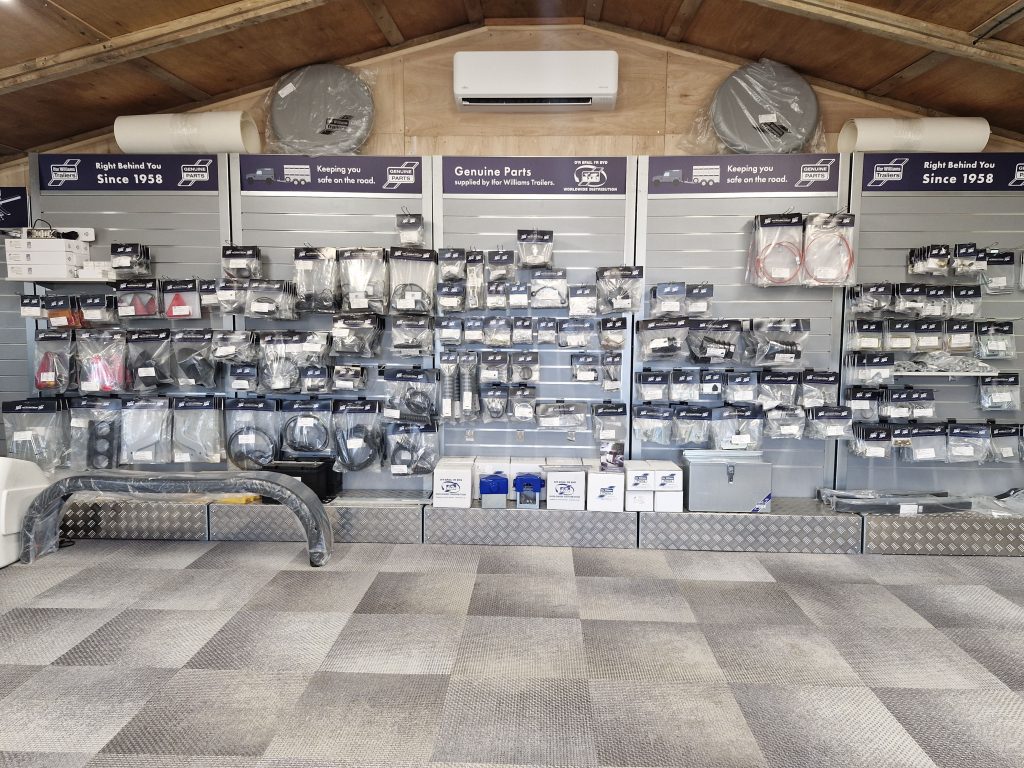
The workshop handles multi-brand servicing, structural repairs, and routine winter maintenance. The parts department stocks genuine Ifor Williams components, from replacement leaf springs to breakaway cables. This local infrastructure ensures that your equipment stays legal, safe, and ready for work.
Frequently asked questions about flatbed trailers
What is the difference between a twin-axle and a tri-axle flatbed?
A twin-axle trailer uses four wheels, while a tri-axle uses six. A tri-axle configuration distributes the weight of heavy loads more evenly across the chassis and the road surface. This setup improves stability at higher speeds and reduces the risk of a blowout causing a total loss of control. The LM20 flatbed comes only as a tri-axle due to its extended length and high load capacity.
Can I tow a 3500kg flatbed on a standard UK car licence?
Recent changes to UK driving licences have simplified towing rules. Most drivers who passed their test after 1997 can now tow trailers up to 3500kg maximum authorised mass. You must still ensure that your specific towing vehicle has a legal towing capacity of 3500kg and that you do not exceed the gross train weight listed on the vehicle identification plate.
What routine maintenance does a commercial trailer require?
Commercial trailers need regular inspections to remain safe and legal. Operators should check tyre pressures, tread depth, and wheel nut torque before every major journey. The overrun braking system requires periodic adjustment to ensure the trailer brakes engage smoothly without snatching. You should also inspect the floor panels for damage, test all lighting circuits, and grease the coupling head regularly. Professional servicing once a year helps catch worn bearings and frayed brake cables before they fail on the road.
Choosing the right flatbed trailer comes down to understanding your specific payload requirements and the legal limits of your towing vehicle. Whether you need a compact twin-axle model for local deliveries or a massive tri-axle platform for moving heavy construction equipment, the key is prioritising structural durability and reliable running gear. By investing in a high-quality galvanised chassis and maintaining it through a trusted local dealer, you ensure your trailer remains a dependable asset for your business for years to come.